NEUTRON ENERGY · POWER, PROPERLY ENGINEEREDSolar · Battery storage · Mini-grids — right sized, less waste
Spend wisely. Get the power you actually need.

Stop paying for solar and mini-grid equipment that adds no real benefit.

A solar or mini-grid quotation can look impressive because it contains more panels, more batteries and bigger devices. But if those additions are not required by your actual energy needs, you may simply be spending more without getting a better system.

Neutron Energy: independent energy assessment, right sized engineering and project oversight for homes, businesses and mini-grids.
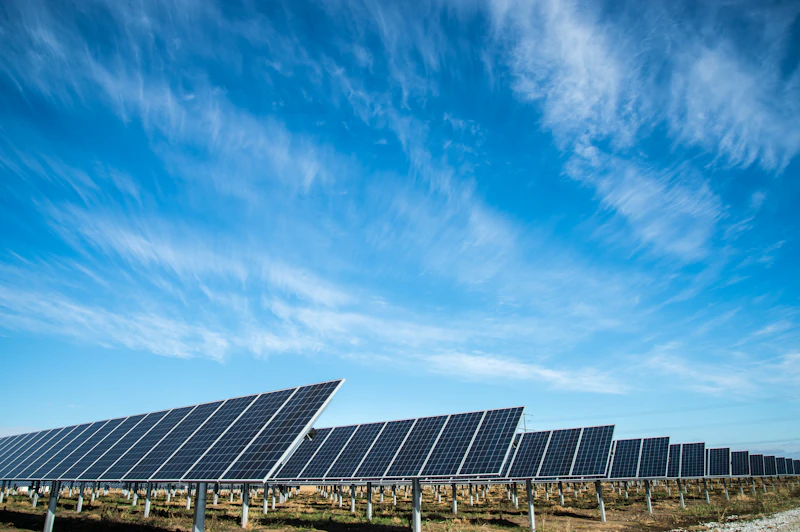
Solar panels under clear daylight
The right system is not the biggest system.It is the system that meets your requirements without unnecessary cost.
The problem we help customers avoid

More equipment can mean more spending. It does not always mean more power.

Solar, battery and mini-grid customers can be quoted for equipment that is larger than their needs require. Extra panels, excess battery capacity, oversized inverters, over-specified generation capacity or poorly matched components can increase the project price without delivering a meaningful improvement in performance.

Our position is simple: every major component should have a clear engineering reason for being in the design. If an item does not solve a real requirement, its cost deserves to be questioned.

  • More solar panels than the system can usefully accommodate.
  • More battery capacity than the customer's required autonomy justifies.
  • An inverter selected without properly calculating actual and starting loads.
  • Mini-grid generation and distribution capacity sized above real community demand.
  • Extra devices, accessories or upgrades that add cost without measurable value.
Do not pay for a bigger quotation. Pay for a better engineered solution.
Solar installation being reviewed by a technical professional
A different buying experience

Before recommending what to buy, we establish what you actually need.

Our job is not to maximise the number of items on your quotation. Our job is to help you invest in a system that meets the agreed performance requirements safely and reliably.

The equipment first approach

A quotation built around products

  • Start with a preferred inverter or package.
  • Add panels and batteries without a clear load analysis.
  • Assume bigger specifications are automatically better.
  • Leave the customer unsure what each item contributes.
  • Risk paying for capacity that may never be useful.
The Neutron Energy approach

A solution built around your requirements

  • Understand your appliances and consumption patterns.
  • Calculate demand, surge loads and required backup.
  • Size the inverter, battery, solar array or mini-grid as one system.
  • Check equipment compatibility and installation conditions.
  • Explain the purpose and value of each major component.
How we protect your investment

Independent expertise at every important decision point.

Engage us before you buy, while you are comparing quotations, while you are planning a mini-grid, or when an existing system is not delivering what you expected.

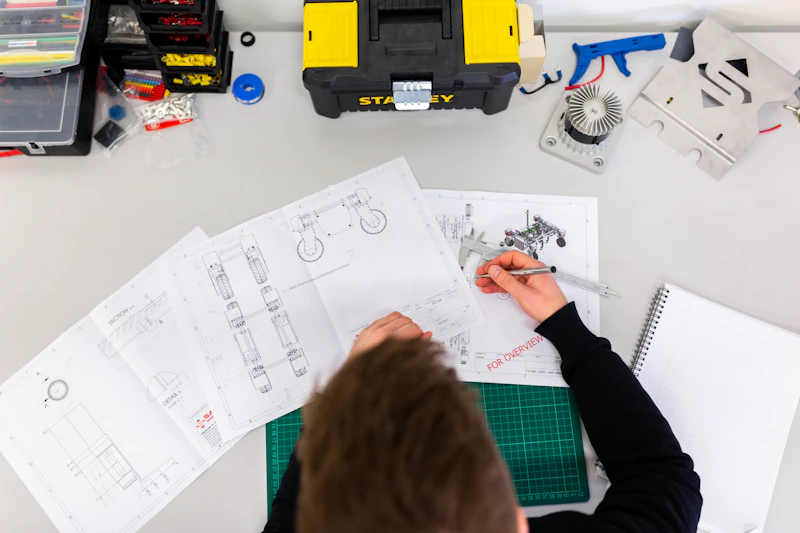
Technical professional assessing electrical equipment
01 · UNDERSTAND

Energy assessment

We review your appliances, daily usage, peak demand, backup expectations and site conditions. This establishes the actual problem the system must solve.

Solar panels on a rooftop
02 · RIGHT SIZE

Engineering design

We calculate and specify the inverter, batteries, solar panels, mini-grid generation and distribution, charging arrangement, cables and protection. Each specification must serve a defined purpose.

Electrical technician inspecting an installation
03 · VERIFY

Quotation review and project oversight

We review proposed equipment and costs, identify potential oversizing or mismatches, and can support project supervision and commissioning.

Beyond the rooftop

Mini-grids deserve the same discipline as a single rooftop system.

A community or estate mini-grid is just a larger energy system — and oversizing it wastes far more money. We help developers, cooperatives, estates and institutions size generation, storage and distribution capacity to real, measured demand before a single component is bought.

01

Demand study

Household and anchor-load surveys, growth assumptions and tariff-affordability checks, so capacity is built for real demand, not guesswork.

02

Generation sizing

Solar array, generator backup and storage sized against measured load profiles, not a one-size package sold by a single supplier.

03

Distribution design

Network layout, cable sizing, metering and protection specified to avoid both under-capacity brownouts and costly over-building.

04

Independent review

A second, independent engineering opinion on a developer's or EPC's proposed mini-grid design before financing or construction commits.

What we examine

Every component must earn its place in your system.

We do not reduce costs by blindly choosing smaller equipment. We remove unjustified costs while preserving the performance, safety and reliability the customer needs.

01

Solar panels

Array size should reflect energy demand, local solar conditions, roof space, charging needs and system losses. Extra panels are not automatically useful.

02

Batteries

Capacity should be based on required backup loads, hours of autonomy, usable capacity, discharge limits and charging capability.

03

Inverter

Continuous demand, starting surges, power factor, phase and future needs all matter. Bigger is not a substitute for correct calculation.

04

Mini-grids

Generation, storage and distribution capacity sized to a measured demand study, not an assumed or upsold figure.

05

Balance of system

Controllers, cables, breakers, protection and accessories must be correctly specified, compatible and appropriate for the installation.

Our engineering method

We calculate first. We recommend second.

There are situations where a larger system is genuinely justified. We will recommend it when the calculations, customer requirements or future plans support it. We will also tell you when it is not.

STEP 01

Understand your loads

Identify appliances, quantities, operating hours and which loads must run during outages.

STEP 02

Calculate demand

Determine simultaneous demand, starting current and daily energy consumption.

STEP 03

Size the system

Calculate inverter capacity, usable battery energy and PV or mini-grid generation requirements.

STEP 04

Check compatibility

Verify equipment limits, charging, protection, wiring and site conditions.

STEP 05

Explain the design

Show what is required, why it is required and which options are genuinely optional.

Have you received a solar or mini-grid quotation?

Do not commit your money until you understand what the proposed equipment is meant to achieve.

Let us review it
Frequently asked questions

Clear advice. No unnecessary equipment.

Are you saying customers should always buy fewer solar panels and batteries?

No. The correct quantity depends on the customer's energy use, backup expectations, site conditions and system design. Sometimes a larger array or battery bank is necessary. Our point is that every addition should be justified by a real requirement.

Can you review a quotation from another solar company?

Yes. We can review the stated loads, equipment specifications, quantities, compatibility and design assumptions. A detailed review may require the original quotation, appliance information and a site assessment.

Do you work on community or estate mini-grids, or only single-building solar?

Both. The same demand-first, right-sizing discipline applies to a single home, a business, or a community mini-grid serving many households and anchor loads. We can run the demand study, size generation and distribution, and independently review a developer's or EPC's mini-grid design.

Will you always recommend the cheapest system?

No. The cheapest system may be undersized, unsafe or unsuitable. We aim for the most appropriate system for the agreed requirements and budget, considering reliability, safety, performance and lifecycle cost.

Can you work with my preferred installer or EPC?

Yes. You may use your own installer or EPC. Neutron Energy can provide a design or a separately agreed review and supervision service. We can also coordinate installation through an approved partner.

How do you know whether equipment is oversized?

We compare the proposed specifications with measured or documented loads, required autonomy, solar resource, equipment operating limits and the intended system architecture. We explain the assumptions and any information still needed.

Get a second opinion before you spend

Let's find out what your solar or mini-grid system really needs.

Tell us about your property, your current quotation, your mini-grid project, or the electricity problem you want to solve.

Make your next energy decision with clarity.

Neutron Energy provides independent energy assessment, engineering design, quotation review and project oversight for solar, battery and mini-grid projects.

Our promiseEvery major recommendation should have a clear technical reason.
Service areaNigeria. Project availability to be confirmed for your location.
Official contactEmail: [email protected]. Phone and WhatsApp details will be added before launch.
Fill in the form and we'll get back to you by phone, WhatsApp or email.
Review my solar requirements